About us
Commonwealth Plywood is growing continuously to provide products of superior quality marketed worldwide. Our veneer mills manufacture birch, red oak, maple & basswood veneer. Our saw mills produce birch, maple, red oak, red pine and white pine lumber among others. In addition, our plywood plant offers a great variety of species and grades to meet our customers specifications. Annual sales currently exceed $300 million.
Serving our clients since 1940!

is committed to the sustainability of our forests. We emphasize and implement sustained yield forestry management.

owns and operates 5 rotary veneer mills, 8 bandsaw mills, 3 plywood operations, 2 specialized veneer splicing mills, a portable chipping plant, 3 dry kiln operations and 21 distribution warehouses in Eastern Canada and the U.S.A., employing over 1000 people.

is a fully integrated forest products company engaged in the management and harvesting of prime forest reserves covering an area of more than 25,000 square kilometers.
History
History Commonwealth Plywood Co. Ltd. was founded in 1940 to produce birch veneer for the World War II effort. Birch veneer was then used to produce plywood for the Royal Air Force's Mosquito bomber.
Today, Commonwealth Plywood is a group of companies managed from its corporate headquarters located in Ste.Therese, just north of Montreal, Quebec. The company has grown to include five rotary veneer mills, two veneer splicing mills, eight sawmills, three kiln drying operations, three plywood production mills and eighteen distribution centers located in Canada and the USA.
Commonwealth Plywood and its sister companies have an annual sales volume of over $300 million Canadian, and provide employment to over 1,000 skilled workers in Canada and the USA.
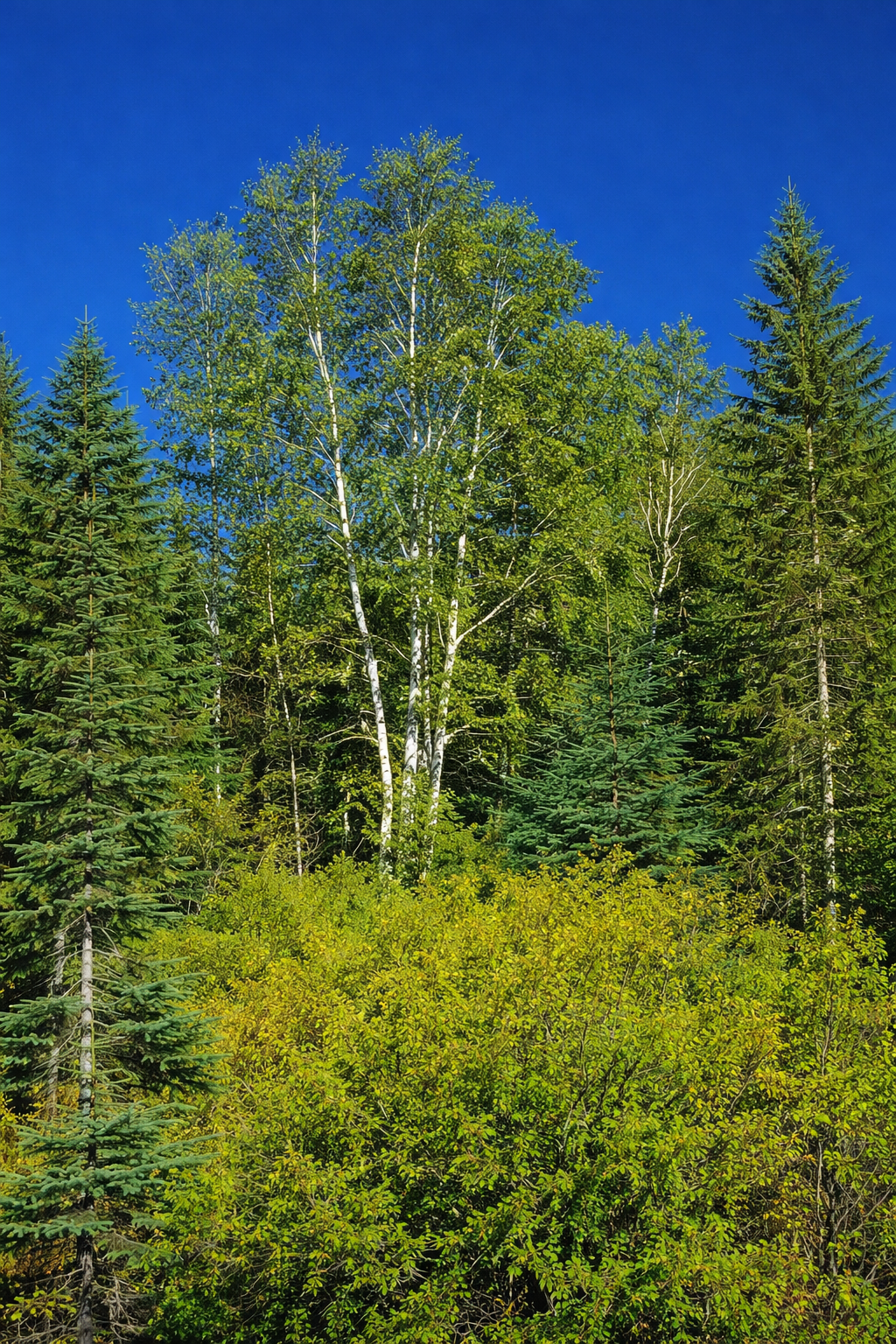
Our strength as a leading supplier of quality forest products is guaranteed by our superior resource allocation. Our forestry operations manage over 25,000 square kilometers of prime crown forest in the province of Quebec on a sustained yield basis. Our forestry management techniques are among the finest in the world, and our supply of raw materials is guaranteed by renewable twenty-five year contracts to harvest and manage one of the strongest timber basis in our industry. In fact, Commonwealth Plywood spends over $3 million US annually in reforestation and other forest improvements.
As a fully integrated forest products company, we are well positioned as one of the world's long term suppliers of decorative rotary veneer and lumber in both hardwoods and softwoods.
Through our continued innovation, and dynamic leadership; Commonwealth Plywood has assured its place as a reliable supplier in the global forest products industry. We have the consistent quality and dependable supply you require both now and in the future.

75th Anniversary
Celebrating 75 years of continued success since 1940, we captured the essence of Commonwealth Plywood in a commemorative nine-minute video — presenting our history and evolution. A shortened version without interviews is available here.
A word from our President

Commonwealth Plywood has built its reputation under the Husky brand name through an unwavering commitment to quality, service and responsible resource management — a standard reflected in everything we do, from our manufacturing operations and distribution network to our hardware offering for the cabinet industry.
Our competitive advantage is sustained by continued multi-million dollar investment in our manufacturing divisions alongside the long-term forest management practices that secure our raw material supply. We are committed to earning — and continuing to earn — your business.
